Itinerary
Desert to Water Wilderness Camping
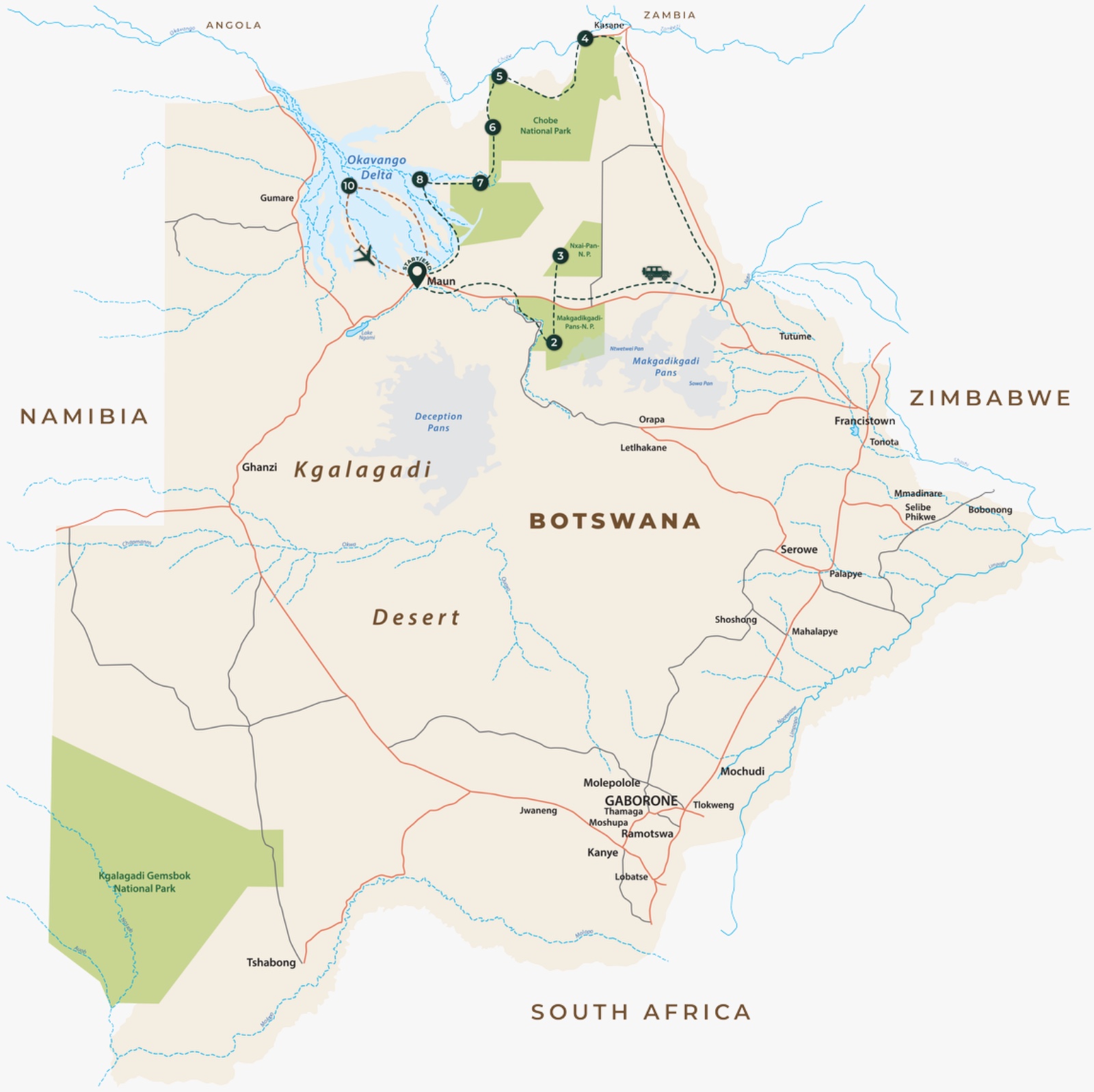
Beginning in the open salt pans of the Makgadikgadi and the wide plains of Nxai Pan, this route gradually moves north toward permanent rivers, floodplains, and wetlands. Elephant-rich Chobe, the remote wilderness of Linyanti and Savuti, and the diverse ecosystems of Khwai and Moremi build in intensity before the journey concludes with private mobile camping deep in the Okavango Delta. Designed for travellers seeking a balance of classic highlights and remote immersion, Desert to Water showcases Botswana’s dramatic landscapes and wildlife contrasts in a seamless, rewarding progression.
Starting from
Indicative per-person rates, dependent on season, party size and vehicle. Park fees, accommodation and vehicle are included as specified in your written offer; international flights are not.
Day by day
7 stages across 20 days / 19 nights. This is the route as it stands. Nights can be added in one place or a leg dropped entirely.
-
Stage 1 of 7
DAYS 1 – MAUN – PREPARATION AND ANTICIPATION
Your journey begins in Maun, the gateway to Botswana’s wilderness. A comfortable hotel stay allows time to prepare vehicles, gather supplies, and settle into the rhythm of the road. Anticipation builds as you leave town behind, heading toward landscapes defined by space, silence, and scale.
-
Stage 2 of 7
DAYS 2–5 – MAKGADIKGADI & NXAI PAN – DESERT AND OPEN HORIZONS
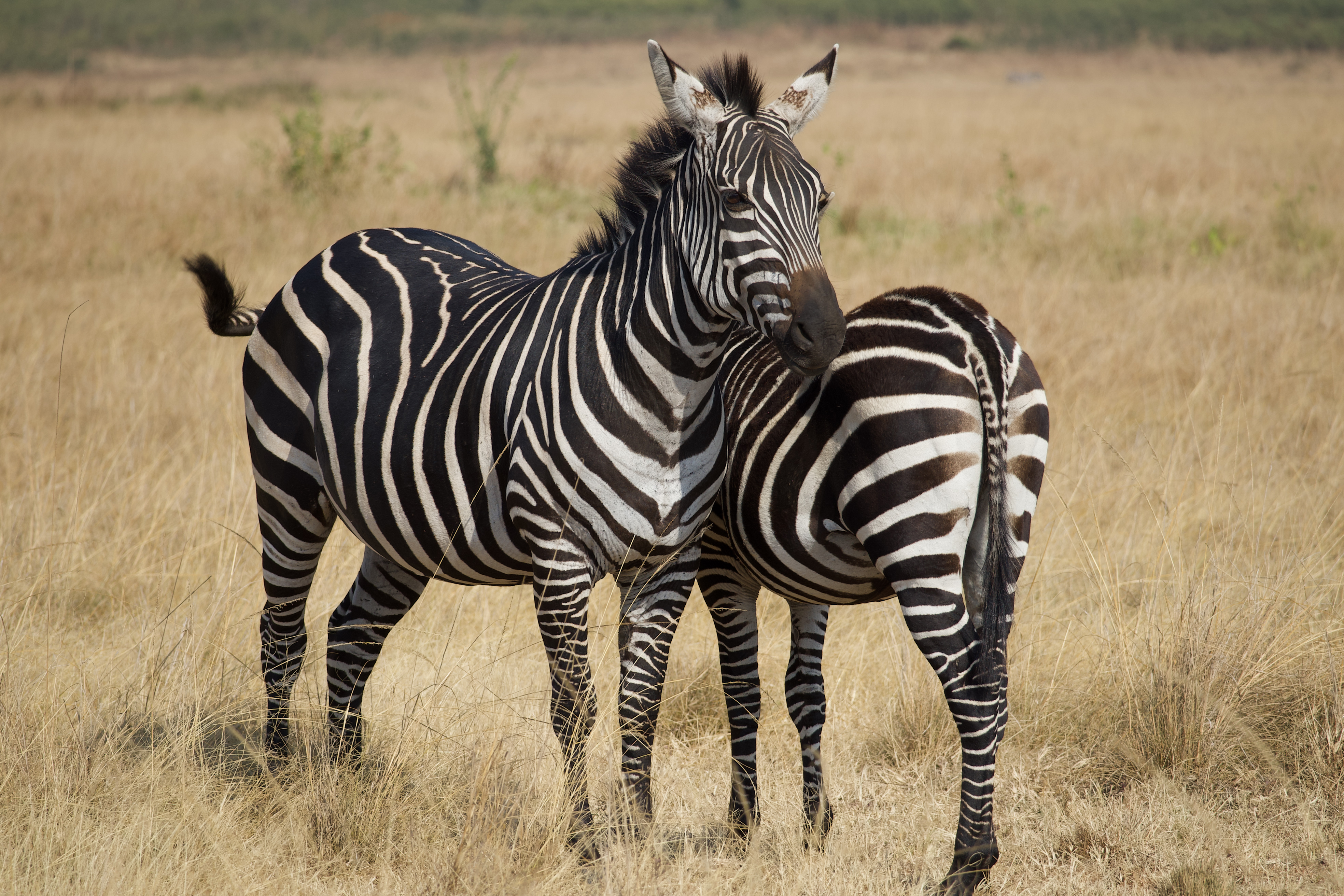
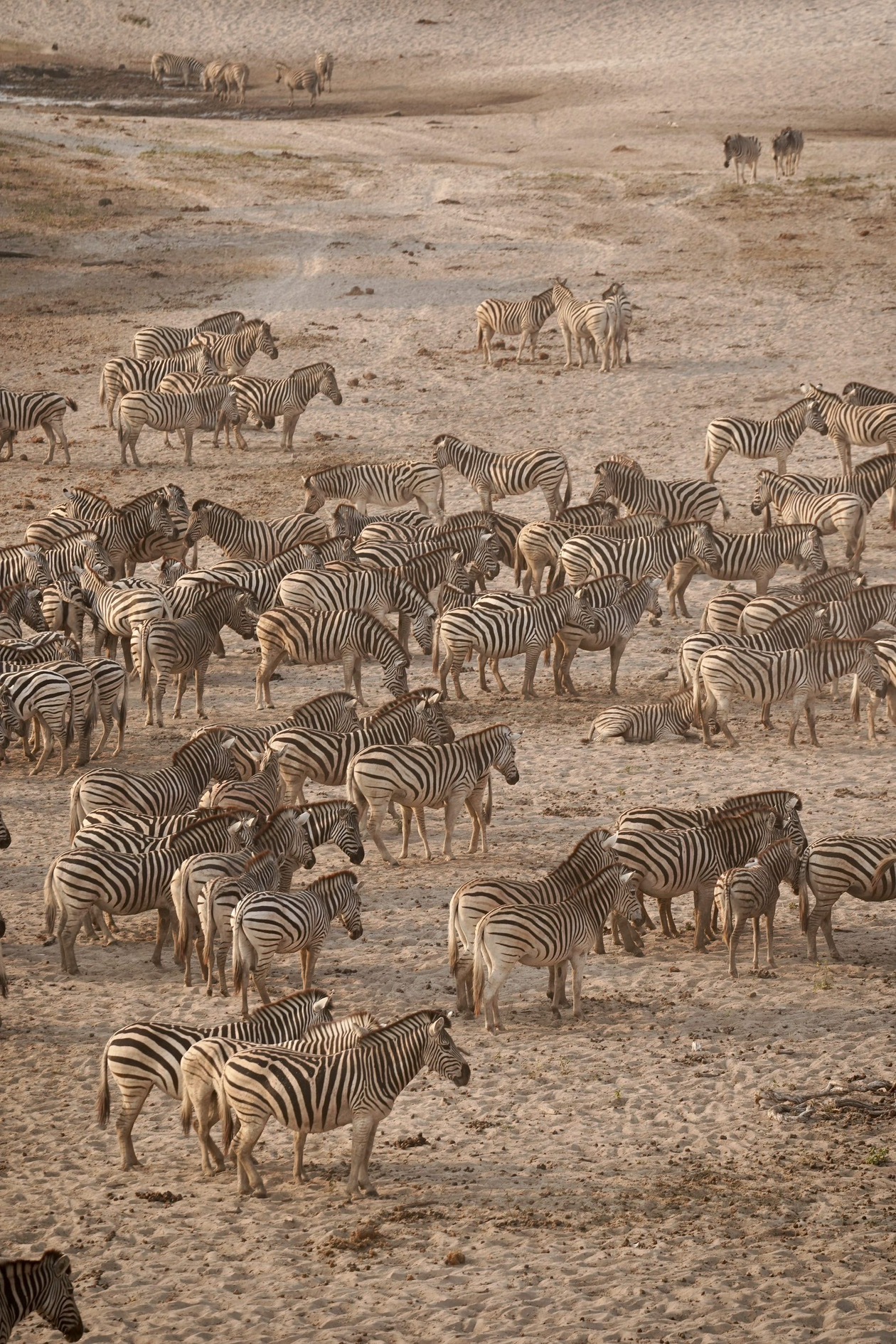
The journey opens with the vastness of Botswana’s desert regions. Salt pans and open grasslands stretch endlessly, creating a sense of space that feels almost unreal. Campsites are set in exposed, scenic locations where elevated rooftop tents offer comfort and sweeping views. Meerkats, zebra, and elephants move through these open landscapes, while sunsets flood the plains with colour. Nights are quiet, marked by stars and the stillness of the desert.
-
Stage 3 of 7
DAYS 6–7 – NATA & KASANE – REST AND TRANSITION
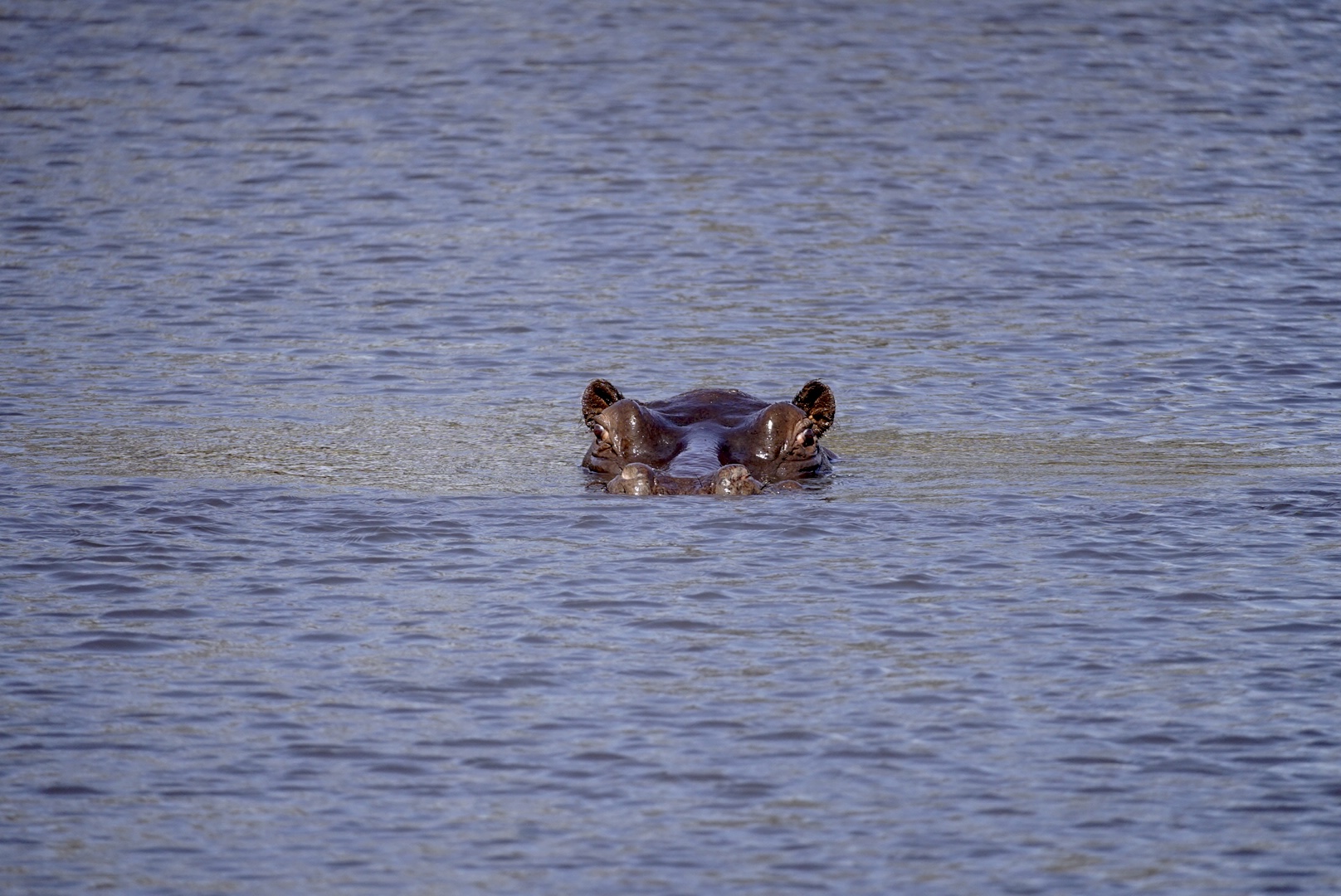
A gentle pause in the journey allows for rest and resupply as the route transitions north. Comfortable stops provide a change of pace, with wildlife often present even at camp. It is a moment to reset before entering Botswana’s river-dominated ecosystems and higher wildlife densities.
-
Stage 4 of 7
DAYS 8–9 – CHOBE NATIONAL PARK – RIVERFRONT ABUNDANCE
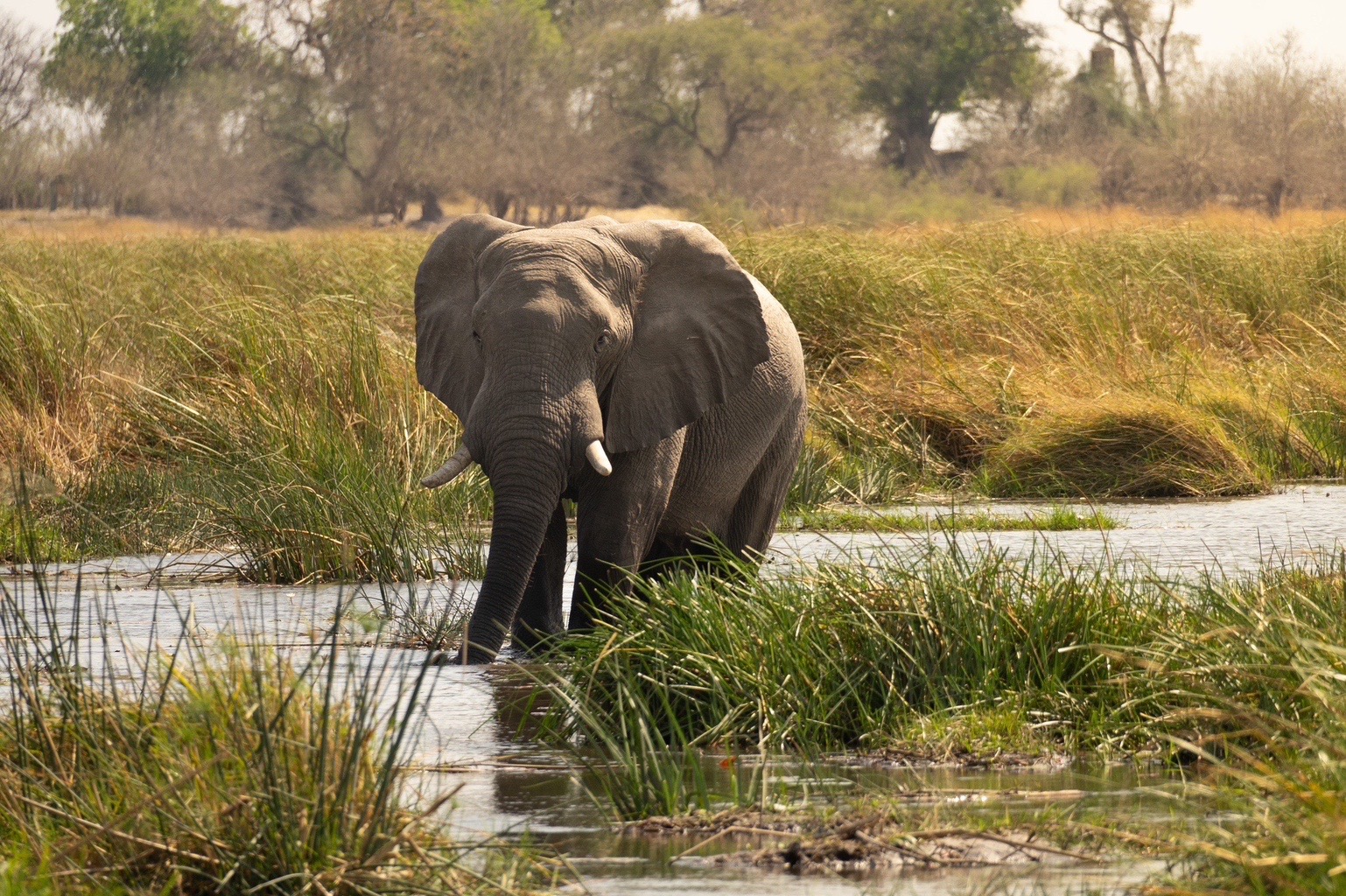
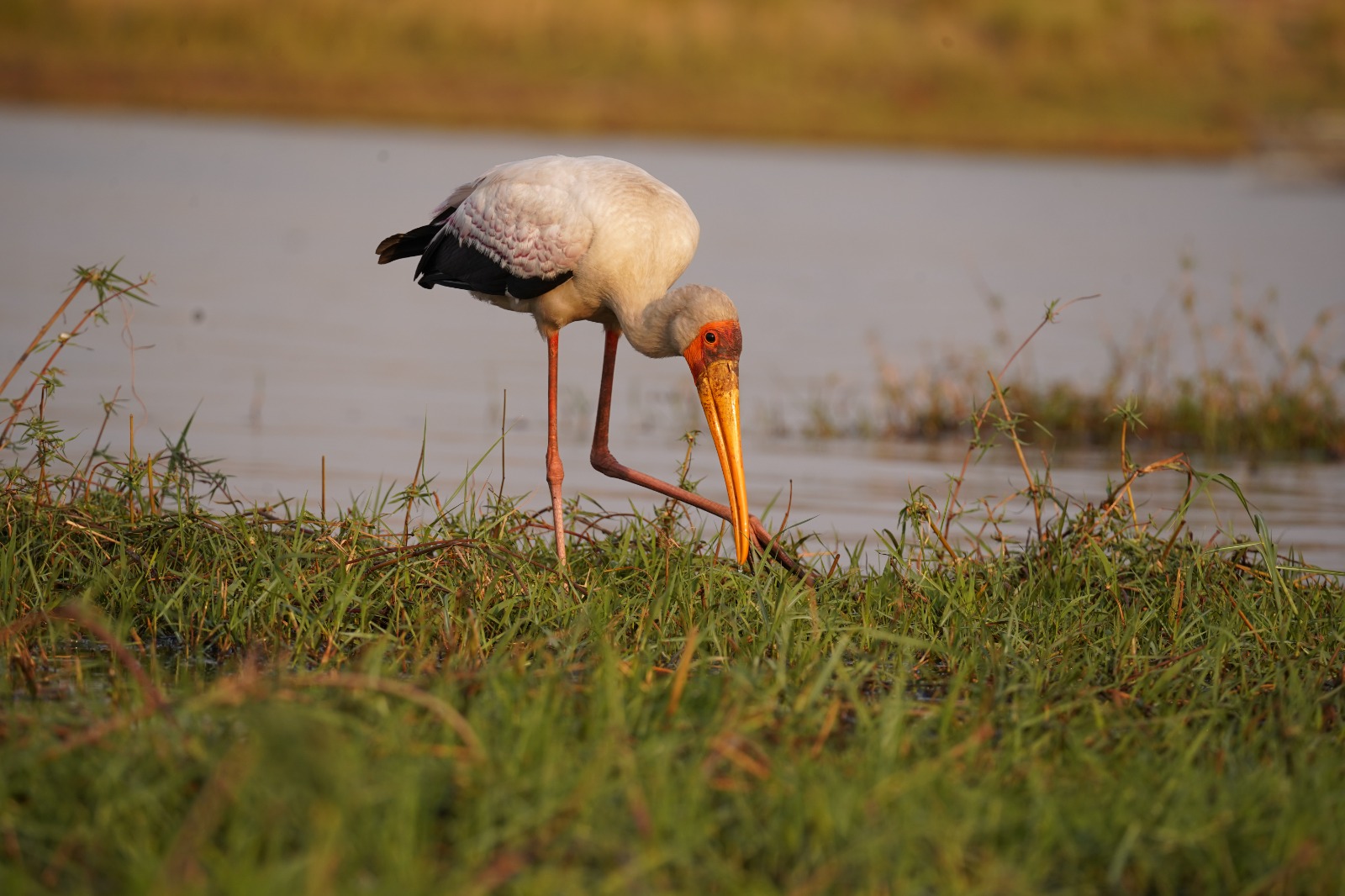
The Chobe River introduces a new rhythm shaped by water and movement. Campsites are positioned close to the river, where elephants frequently pass through and hippos call through the night. Rooftop tents provide an elevated vantage point over floodplains and channels, and mornings often begin with wildlife visible directly from camp. This region offers some of the highest game concentrations of the journey.
-
Stage 5 of 7
DAYS 10–12 – LINYANTI & SAVUTI – REMOTE AND UNTAMED
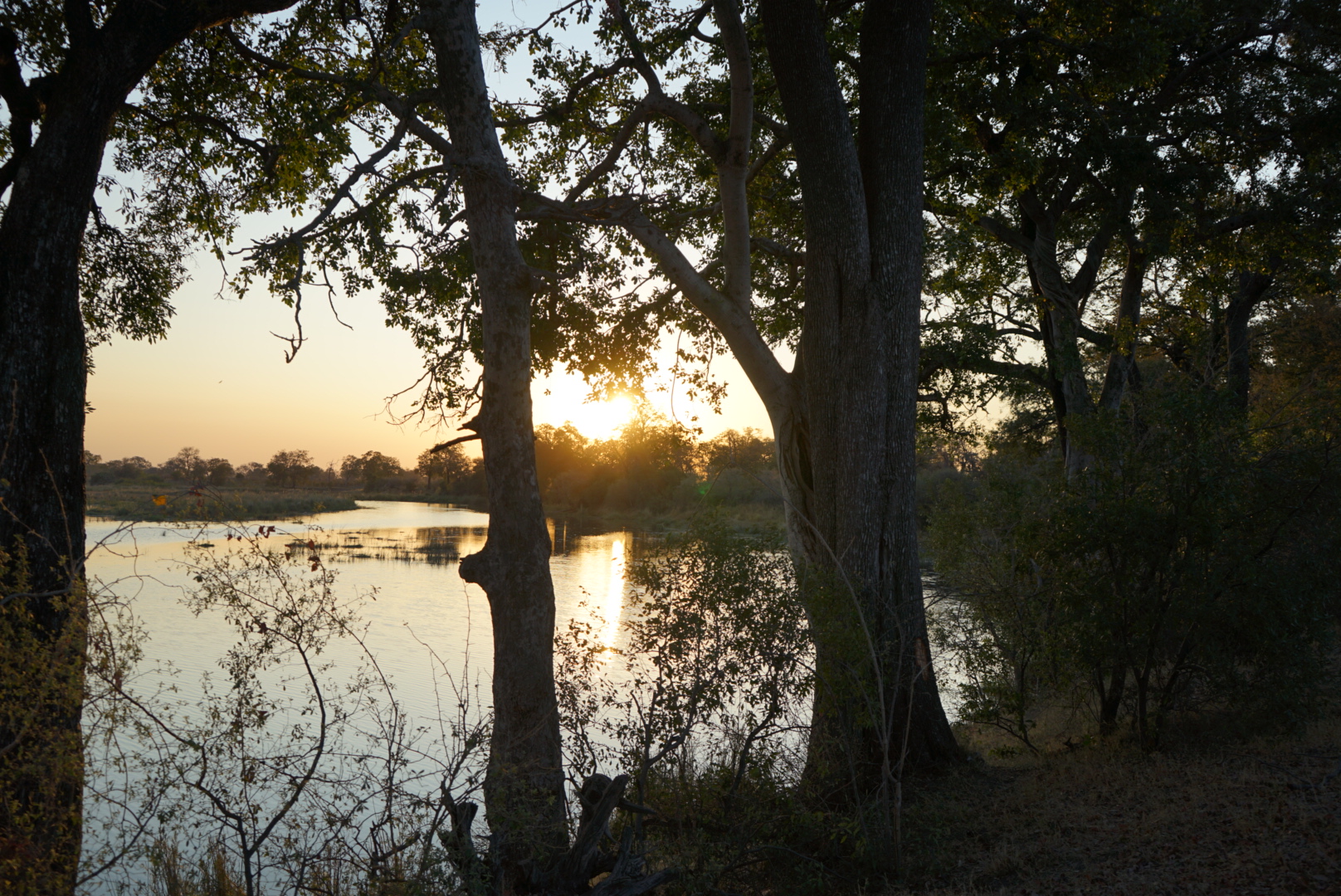
Moving west, the landscape becomes more remote and untamed. Campsites are unfenced and deeply immersive, with predators often heard nearby after dark. Fresh tracks in the sand tell the story of nocturnal movement, while mornings unfold slowly in vast, rugged surroundings. Rooftop tents provide comfort while keeping you closely connected to the rawness of these wild regions.
-
Stage 6 of 7
DAYS 13–17 – KHWAI & MOREMI – WETLANDS AND DIVERSITY
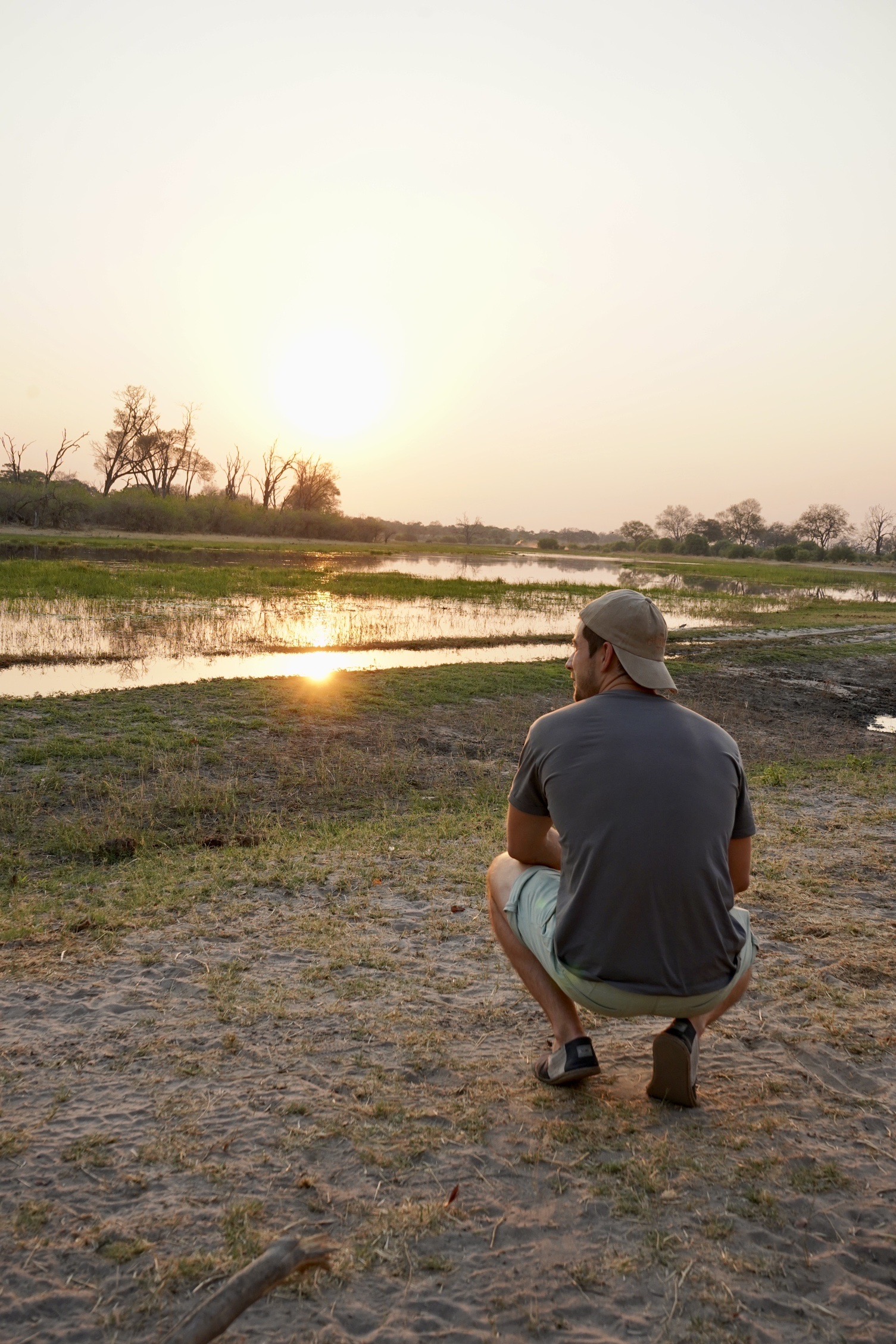
Riverine forests, lagoons, and open floodplains define this richly varied part of the journey. Campsites are often shaded and close to water, attracting elephants, antelope, and abundant birdlife. The diversity of habitats supports excellent game viewing, with each day offering a different perspective on the Okavango ecosystem. Evenings are calm and atmospheric as the sounds of the bush settle around camp.
-
Stage 7 of 7
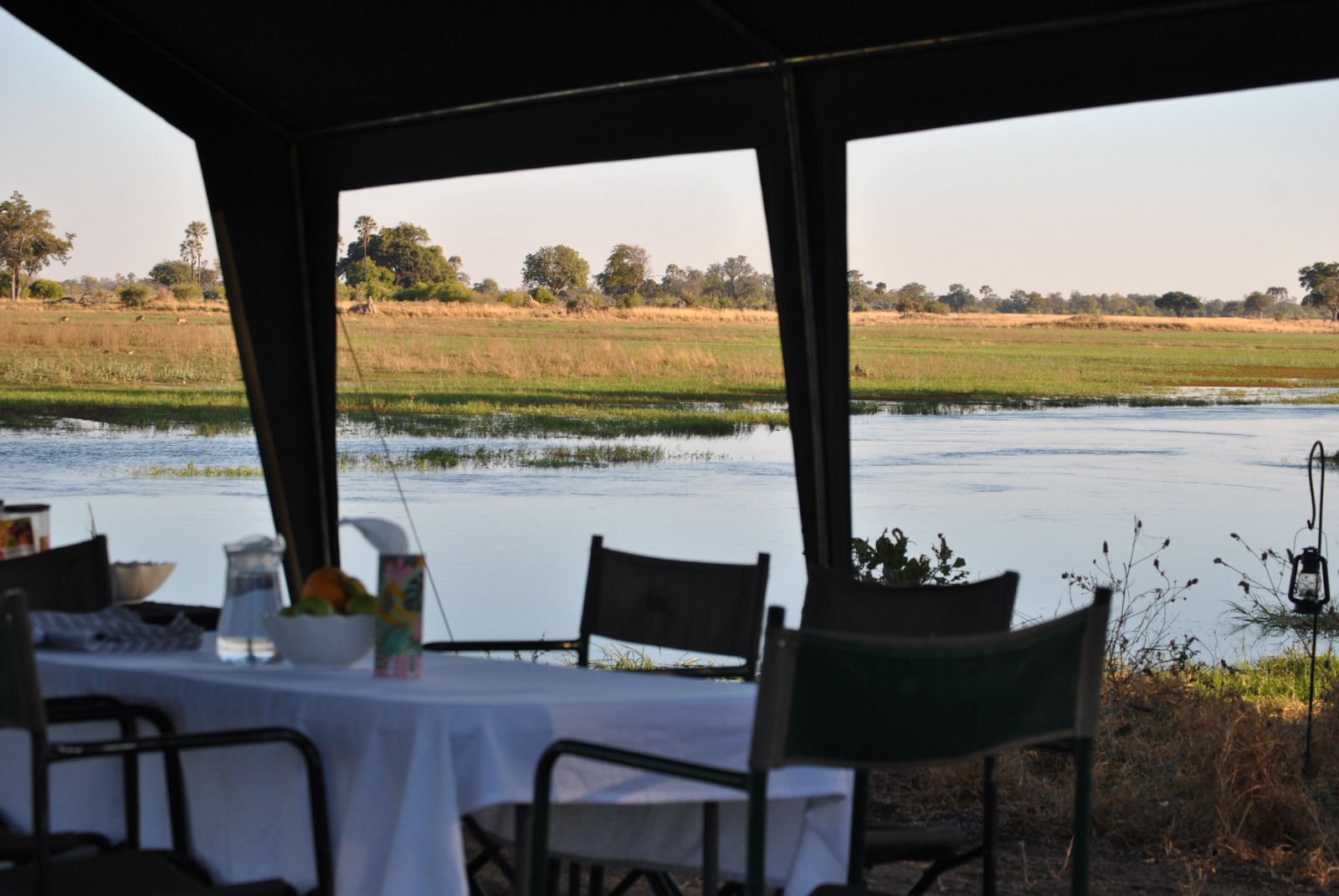
DAYS 18–20 – OKAVANGO DELTA – PRIVATE MOBILE CAMPING
The journey culminates with private mobile camping deep in the Okavango Delta—an experience that represents the most refined form of safari immersion. A fully exclusive camp is set up in a remote delta location, accessible only to your party. Spacious walk-in tents, proper beds, and attentive staff create comfort without compromising authenticity. Days are spent exploring pristine waterways and islands, while evenings unfold around the campfire with candlelit meals and the quiet presence of water and wildlife. It is a fitting, luxurious finale to a journey that traces Botswana’s transition from desert to delta.
Similar itineraries
Keep exploring
Adapt Desert to Water Wilderness Camping to your trip
Tell us your dates and your pace and we will rebuild this route around them, or suggest a different month or country if that suits you better.